


Do you feel tired in your knees frequently while doing activities? It could be after walking and standing for just a few minutes. You may feel this weakness even when sitting down. The main culprit for this is what we refer to as muscle atrophy. This condition is when your knee joints feel wobbly. It basically feels as if they are giving out. This feeling may take several months and days to completely go away.
Living with knee discomfort can cause daily movements to feel like a challenge. A knee cap is mostly recommended in a case whereby knee weakness persists. Some individuals wonder if this knee support works. This simple answer is yes. Let’s uncover some factors that determine how knee caps work for long-term knee weakness.
Understanding a Knee Cap
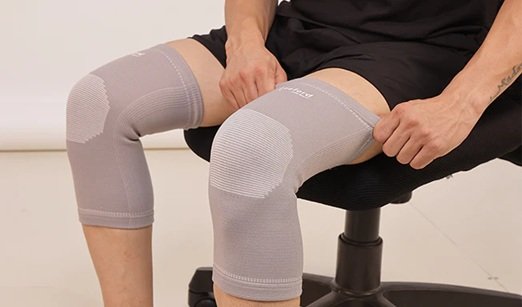
The knee cap is sometimes referred to as a knee sleeve. It is one of the most popular types of joint support. Manufacturers usually make them from flexible materials. Neoprene and knitted elastic are common choices. These sleeves are crafted to be worn over the leg. They sit snugly around the knee joint. They are very simple to use. You do not need to adjust any straps. You simply pull it up until it covers the joint.
How a Knee Cap Works?
A knee cap provides targeted compression. Compression helps to manage minor swelling. It does this by applying gentle pressure to the area. This pressure also increases blood flow to the joint. Increased flow can help the joint feel warmer. It can also make the joint feel more flexible during activity. Many users find this warmth very soothing. It can reduce the stiffness that occurs after sitting for prolonged periods.
Another benefit is called proprioception. This is a term for how your brain stays aware of your knee’s position. This awareness can improve balance. It can also increase stability during light exercise. It helps you move more naturally. It can prevent you from stepping awkwardly.
When to Use a Knee Cap?
- Use it for mild aches after a long day of standing.
- It functions well for walking long distances on flat ground.
- It provides warmth to the joint during cold weather.
- It functions as a preventive measure during gym workouts.
- It helps during light jogging sessions.
- It is suitable for minor swelling that does not limit motion.
- Use it when you feel a dull ache after exercise.
- It is good for general support during household chores.
- Wear it if you have mild arthritis that causes stiffness.
- It helps during low-impact activities like cycling.
Fitting and Comfort
How a knee cap fits is important. A knee support that is too tight can restrict circulation. This can cause more pain or numbness. A support that is too loose will not provide any benefit. It will simply slide down your leg. Most knee caps come in various sizes. Always measure the circumference of your thigh. Measure about four inches above the knee. Measure your calf as well. Follow the manufacturer’s instructions carefully.
The Importance of Implementing Exercises
A knee cap is surely a helpful tool. However, it is only one part of joint care.
- Strengthening the muscles around the knee is also important. Strong muscles provide natural stability. They function like a built-in brace. Focus on exercises that target the quadriceps. These are the muscles on the front of your thigh. Work on your hamstrings as well. These are the muscles on the back.
- Gentle stretching keeps the joint mobile. It prevents stiffness. Use your knee support to help you stay active as you build this strength. The objective is to reach a point where you need the support less often. However, the support remains a suitable aid for flare-ups of pain and discomfort.
Tips for Comfort
Wearing knee support should be a positive experience.
- Wear your support over your skin for the best compression. If you wear it over leggings, make sure the fabric is thin. This prevents the support from slipping.
- Check the knee cap throughout the day. An adjustment will keep the stability consistent. Take the support off when you are sleeping. Your joint needs time to breathe and move without restriction.
- Pay attention to how your skin feels. If you notice redness or itching, take a break. You may need to clean the support or try a different material.
Final Thoughts
Are knee caps effective for persistent knee weakness? Whenever you hear this question, just know that it is really effective. However, there are some factors that determine if it works or not. It starts with the severity of your knee weakness. The type of knee support you wear, its size, and compression intensity. Your day-to-day activities also contribute.
Implement measures like resting and wearing support. Make sure to refrain from activities that worsen your condition. Get assistance from a pharmacist on which knee cap type to use and how you will use it. Ask them these questions: When can I wear it? When can I remove it? Guidance from healthcare experts enables you to get the best knee cap for pain relief and to boost your recovery.