

Have you ever wondered what you would do in a medical emergency?
Emergency Response Certification with CPR and First Aid helps you gain skills to act fast and save lives. Training teaches you how to stay calm, check safety, and give basic care until help arrives.
You learn CPR steps, wound care, and quick decision-making in real situations. You build confidence to respond at home, work, or public places when every second matters.
Are you ready to know how to handle emergencies with the right skills and confidence? Let’s dive in.
What is Emergency Response Certification?
Emergency Response Certification teaches you how to act during emergencies. It helps you learn CPR and First Aid in simple steps. You train to respond when someone is hurt or in danger.
You also learn how to stay calm and think fast. This type of training is useful for caregivers, teachers, coaches, and anyone in the community. It gives you skills that can help save a life while waiting for medical help to arrive.
Benefits of Emergency Response Certification
Getting certified gives you many benefits. You feel more confident because you know what to do in emergencies. You also help make your community safer by acting quickly when someone needs help.
Many jobs value people with CPR and First Aid skills, especially in schools and healthcare. Some workplaces even require certification for safety rules.
These skills also help you respond better in daily life situations like injuries or sudden illness. Being prepared helps you protect people around you.
Key Components of CPR and First Aid Training
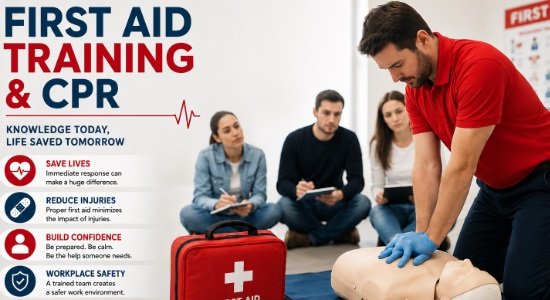
Training covers key skills you need in real emergencies. You learn CPR by doing chest compressions to help keep blood flowing. You also learn rescue breaths when needed.
First Aid training teaches you how to help with cuts, burns, and broken bones. You also learn how to help someone who is choking by using safe steps.
Another part of training is learning how to notice signs of a heart attack or stroke. These signs can include chest pain, weakness, or trouble speaking.
Practice sessions help you build skill and speed. Real examples help you feel ready to act in urgent situations.
Choosing the Right Certification Program
You should choose a program that is trusted and easy to follow. Look for training that is approved by known groups. Choose instructors who have real experience in emergency care.
Make sure the program lets you practice skills, not just read lessons. Many centers and online classes offer flexible options.
You can pick one that fits your time and learning style. To help you choose the right program that helps you learn better and feel more ready for real situations, here is where you can get more info.
Your Path to Empowerment
In emergency moments, quick action can save lives. Emergency Response Certification helps you gain the skills you need to respond with care and speed.
You learn how to help others while staying calm under pressure. These skills can make a real difference in your home, school, or workplace. Taking this step helps you become more ready for unexpected situations and gives you the power to act when others need help most and feel confident.
Why Emergency Response Certification Matters
Emergency Response Certification with CPR and First Aid gives you the skills to act fast in critical moments. It helps you stay calm, respond with care, and support others in need. This training builds readiness for real-life emergencies anywhere, anytime.
Did you find this article helpful? You can check out our website for more awesome content like this!
Emergency Response Certification with CPR and First Aid



Leave a Comment
Leave a Comment