


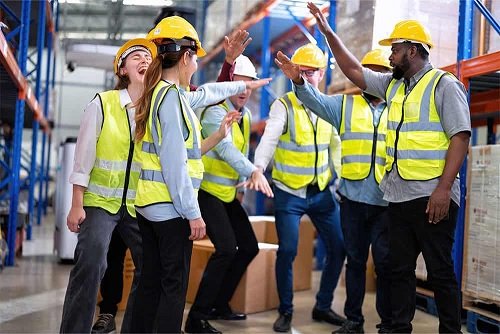
Why Workplace Safety Training Matters
In any workplace, the health and safety of employees are paramount. One of the best ways to ensure that your team feels secure and supported is through regular safety training. But workplace safety training does more than just reduce risks—it also has a profound impact on morale.
When employees know they are prepared to handle emergencies, they feel more confident, empowered, and valued. This sense of security fosters a positive work environment, which ultimately boosts productivity and engagement.
At cprcertificationnow.com/ , we offer group safety training sessions that can help your team stay prepared for emergencies while improving morale.
The Link Between Safety Training and Morale
Safety training, especially when done in groups, has a variety of benefits that go beyond just reducing the likelihood of accidents:
- Increased Confidence: Knowing what to do in an emergency gives employees confidence. They feel more secure in their roles and understand that they have the knowledge to handle unexpected situations.
- Teamwork and Cohesion: Group training fosters collaboration. Employees who train together develop a sense of camaraderie and are more likely to support each other during emergencies.
- Employee Engagement: Employees feel more valued when their well-being is prioritized. By investing in their safety education, you show your team that you care about their health and safety.
- Reduced Anxiety: Uncertainty breeds anxiety. By preparing your team for emergencies, you help alleviate the fear that employees may have about not knowing how to respond in a crisis.
- Improved Workplace Culture: Training your employees together creates an environment of trust and cooperation. It promotes a culture of safety and accountability that employees are proud to be part of.
How Group Safety Training Builds Team Spirit
Group safety training sessions offer more than just technical skills—they build team spirit and foster a collaborative mindset. Here’s how:
1. Creating Shared Goals and Experiences
When employees come together to learn life-saving skills, they share a common goal: ensuring the safety of everyone around them. This shared focus strengthens the bond between employees and encourages collaboration. Searching for Fire Watch Guards Near Me provides access to trained professionals who prioritize safety. They conduct regular patrols, identify potential hazards, and ensure immediate action when needed. Their services are essential for maintaining a secure environment during times when fire protection systems are compromised.
Training programs like CPR, first aid, and AED use allow employees to support each other in a non-work-related context, building trust and cooperation that translates into a stronger team at the workplace.
2. Encouraging Open Communication
Effective communication is essential during emergencies. Group training sessions emphasize the importance of clear, calm communication under pressure. By practicing emergency scenarios together, employees learn how to communicate effectively and quickly, which helps in other areas of their professional relationships.
3. Establishing a Safety-Net Culture
Group training creates a “safety-net” mentality, where employees look out for each other. This culture of care encourages workers to take responsibility for one another’s well-being, not just in emergencies but in everyday situations. When employees know they have each other’s backs, morale naturally improves.
The Impact of Safety Training on Employee Retention
Employee morale directly affects job satisfaction and retention. Providing regular safety training is a simple way to show employees that you value their contributions and their safety. Here’s why this matters:
- Feeling Valued: When employees see that their company is invested in their safety and well-being, they feel appreciated and are more likely to stay loyal to the organization.
- Job Satisfaction: Training programs that improve personal safety and skill sets lead to increased job satisfaction. Employees feel more competent and confident, both in their roles and in emergency situations.
- Lower Turnover: Companies that prioritize employee safety often experience lower turnover rates. A strong workplace culture, based on mutual respect and preparedness, encourages employees to stay long-term.
The Benefits of Offering Group Safety Training Sessions
While individual training is important, offering group safety training sessions brings additional advantages. Here’s why group training can be more effective than individual learning:
1. Flexibility for Your Team
CPR Certification Now offers flexible online courses that allow employees to complete training at their own pace, while still providing the benefit of a group learning environment. Many organizations prefer group training because it accommodates employees with varying schedules and locations.
2. Encourages Consistency Across the Team
Group training ensures that all employees are trained to the same standard. When everyone is on the same page, it creates consistency in how emergencies are handled, reducing confusion and improving response times during critical situations.
3. Cost-Effective for Organizations
Group training often comes with discounted rates, making it an affordable option for organizations to train large teams. This cost efficiency allows businesses of all sizes to ensure that every employee is equipped with life-saving skills.
How to Get Started with Group Safety Training
To get started with group safety training, consider offering CPR, first aid, and AED courses to your employees. CPR Certification Now provides comprehensive, accessible courses designed to meet the needs of your team. Whether you’re training for certification or simply reinforcing knowledge, our courses provide:
- Interactive Learning: Our courses use interactive lessons, videos, and real-world scenarios to ensure that employees retain critical skills.
- Flexible Scheduling: Online courses allow employees to complete training on their own schedule, without interrupting work responsibilities.
- Official Certification: Upon completion of the course, employees receive official certification, which adds to their professional development.
Conclusion: Elevate Your Team’s Safety and Morale
Group safety training is more than just a way to prepare your team for emergencies—it’s a powerful tool for boosting morale and fostering a positive, collaborative work environment. By investing in your employees’ safety, you show them that you care about their well-being, which leads to a more engaged, motivated workforce.
Read More:
कैसे मोबाइल पर खेलें Aviator प्लेटफॉर्म पर 1win
Key Questions to Ask Before Hiring an ERP Consultant