

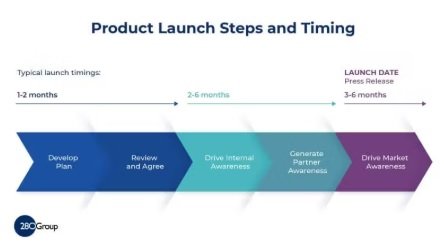
The process of a new product launch can either break or make your brand growth curve. It is not only about creating something new and offering it to the market; it is about creating a buzz, excitement, and establishing actual contact with the audience. Product launch is an engagement-based process aimed at interacting with customers, telling real brand stories, and creating a long-term view. When implemented properly, it will do more than simply generate sales; it will also raise your profile in a natural way, making your brand a name to be trusted in your niche.
This is the process of making your product launch an engagement of a kind that will attract attention and deliver results.
Start with Audience Research
Who knows you better than you yourself know how to plan your launch, simply because you know who you are talking to and what they are interested in. How does your product solve their problems? Which are their most popular channels? What are their interactions with the brands?
There are surveys, customer reviews, social media listening, and even competitor analysis, which can develop the customer personas. Hence, the more understanding there is with the audience, the greater the possibility that they will relate and resonate with messages and campaigns incorporating the thoughts of that audience.
Build Anticipation Before Launch
The Pre-launch hype is everything. Tease with sneak previews and countdown clocks for the few chosen ones who will have special access. Build up the anticipation with teaser campaigns.
Promote email subscriptions to early-bird or VIP. Use social media anecdotes, surveys, and backstage video to make users feel. This pre-launch buzz assists in promoting your visibility in the most natural way since people begin discussing your product in their circles.
Leverage Influencers and Brand Advocates
Work together with the influencers and micro-influencers that share your brand values. They will increase your reach and gain trust more quickly than conventional advertising. Request PR packages or early access products to review or unbox in exchange for genuine reviews or unboxing videos.
The next effective strategy to drive engagement is user-generated content (UGC). Ask your followers to discuss their experiences with the help of a branded hashtag. This builds social proof as well as increasing organic reach to increase your visibility across platforms organically.
Host an Interactive Launch Event
It can either be a physical launch party or a virtual one, but it needs to be interactive. Add question and answer, live product demos, contests, and live engagement with the audience. Connect to your audience and use such platforms as Instagram Live, YouTube, or Zoom.
Such an event is an experience to be remembered and one that promotes live interaction. You should include recording the event and use it later in marketing as a short video clip, a post to your blog, a social media reel, etc.
Create a Compelling Content Strategy
What maintains the momentum is your content during and after your launch. Next, create an editorial calendar spanning from blog writings to video explainers, tutorials, FAQs, and testimonials. Maximal search engine optimisation with those relevant keywords and phrases.
Needlessly incorporate such phrases as enhance your visibility naturally blog posts, descriptions of Meta, and video transcripts. Educational content of high value, in addition to serving as an aid in the area of SEO, instills trust and leads to a long-term interest.
Collect Feedback and Engage Continuously
After the product is live, be quiet no more. Request feedback through surveys, email follow up, or polls on social media. Discuss the prevalent issues or questions in a conspicuous manner in order to demonstrate transparency.
Reply to comments, publish user reviews, and write follow-up content based on customer reviews. Constant interaction is one of the most important aspects in ensuring customer loyalty and will make your product still live successfully in the competitive market.
Monitor Performance and Adjust
Success evaluation for launch campaigns must be done. What is working or not should be tracked with Google Analytics, social media reports, and a CRM system. Engagement rate, site traffic, conversion rate, and social shares are some metrics worth analyzing.
Revising your approach based on hard facts will allow you to focus on proven strategies in future launches and gradually grow your organic reach.
Final Thoughts
A product launch is engaging not only when loud broadcasts of your message are carried out from the rooftops but also when you are listening, relating, and nurturing organically. As audience involvement, compelling content, and two-way conversations create a successful product launch, these elements together can convert your brand into an already stronger identity that will thrive anywhere in the world, even post-launch.